What Are the Complementary Base Pairs That Form in Dna?

What Are the Complementary Base Pairs That Form in Dna?
★ Key Takeaways

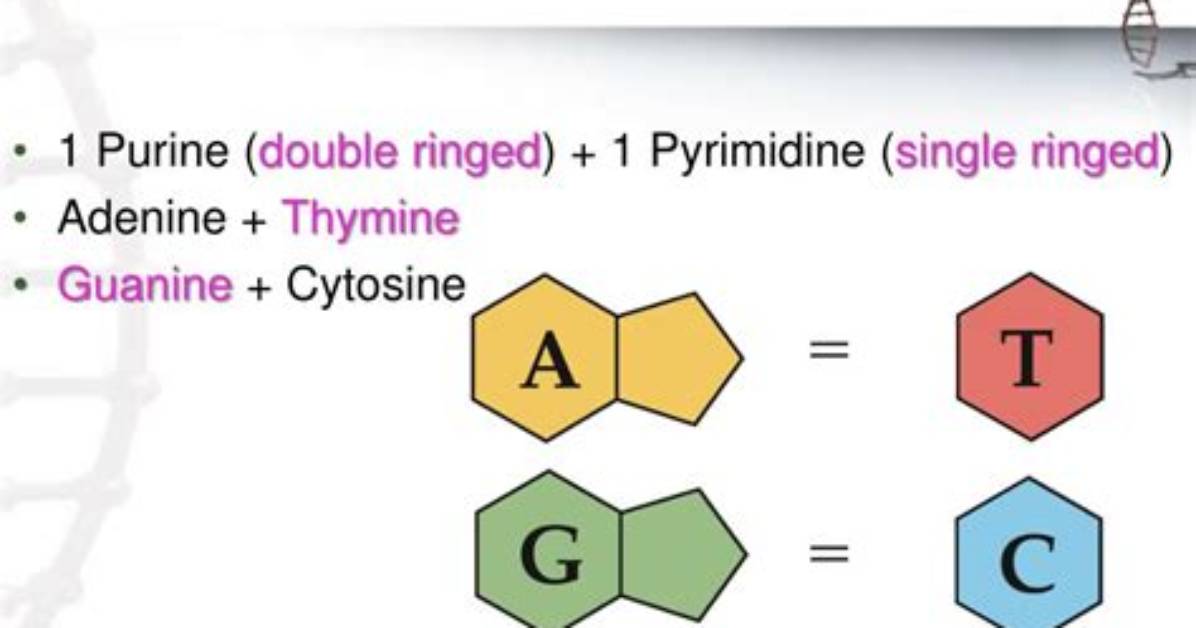
Dna and Rna Bases Are Also Held Together by Chemical Bonds and Have Specific Base Pairing Rules. in Dna/Rna Base Pairing, Adenine (A) Pairs with Uracil (U), and Cytosine (C) Pairs with Guanine (G). the Conversion of Dna to mRNA Occurs When an Rna Polymerase Makes a Complementary mRNA Copy of a Dna “Template” Sequence.

Wondering why what Are the Complementary Base Pairs That Form in Dna means for you? Find the full explanation and key takeaways.

Direct Answer • Key Takeaway

Dna and Rna Bases Are Also Held Together by Chemical Bonds and Have Specific Base Pairing Rules. in Dna/Rna Base Pairing, Adenine (A) Pairs with Uracil (U), and Cytosine (C) Pairs with Guanine (G). the Conversion of Dna to mRNA Occurs When an Rna Polymerase Makes a Complementary mRNA Copy of a Dna “Template” Sequence.

Frequently Asked Questions

Maya Lin-Takahashi
Author

Maya Lin-Takahashi

Maya is a hardware enthusiast who tests and reviews smart home devices, smartphones, wearables, and audio gear. She focuses on practical consumer value and build quality.